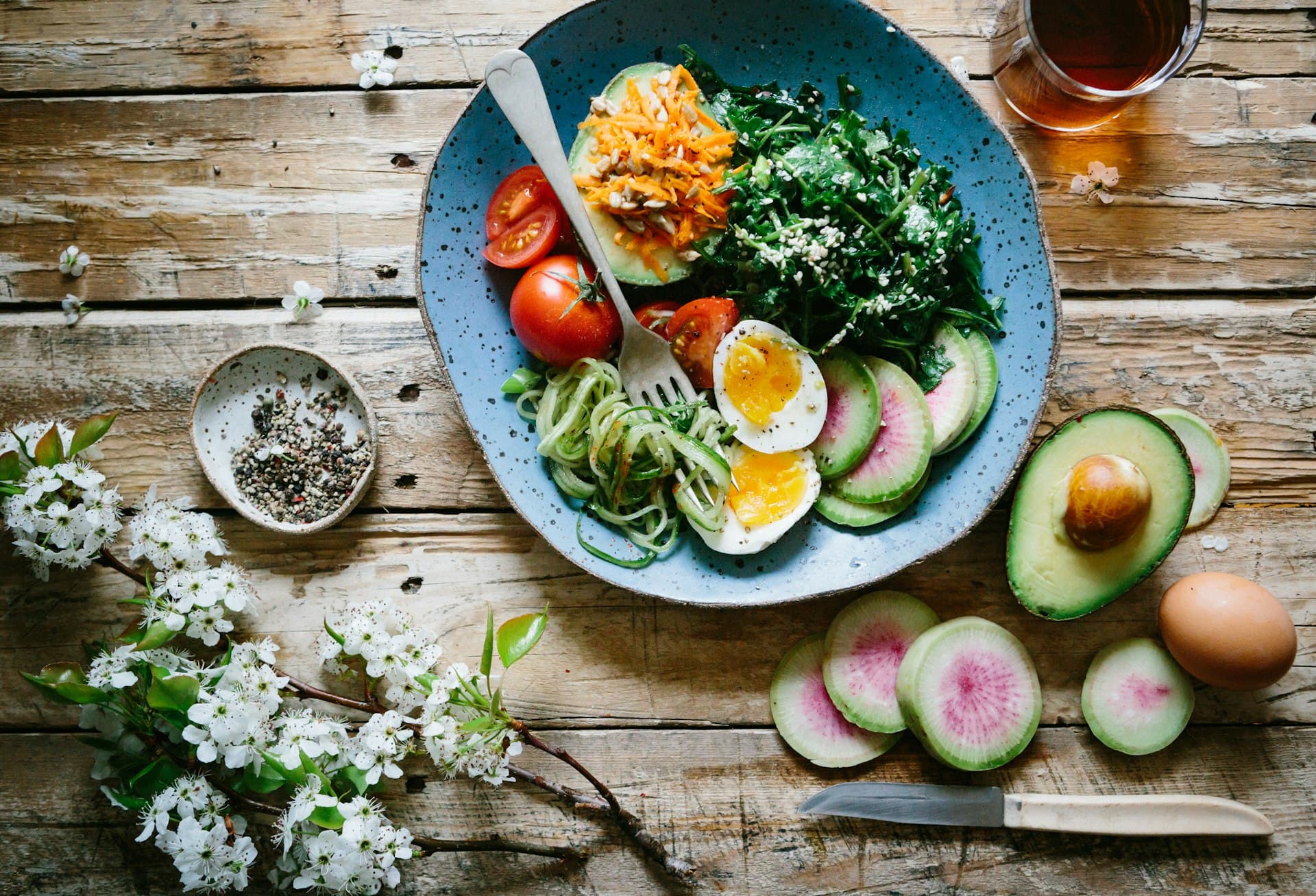
Why meal prep?
Meal prepping saves time, money, and stress while helping you eat healthier throughout the week.
Save time
Cook once, eat all week - no daily cooking required.
Save money
Avoid takeout and reduce food waste by planning ahead.
Eat healthier
When healthy meals are ready, you're more likely to eat them.
Reduce stress
No more 'what's for dinner' panic - it's already made.
Portion control
Pre-portioned meals help you eat the right amount.
Consistency
Stay on track with nutrition goals without daily effort.
Foods that meal prep well
Not all foods are created equal when it comes to meal prep. Here are the best options that stay fresh and taste great reheated:
Essential meal prep containers
The right containers make meal prep easier and keep food fresher longer:
Glass containers
Microwave-safe, don't stain, last forever - the gold standard
Compartment containers
Keep foods separate to prevent sogginess
Mason jars
Perfect for salads, overnight oats, and soups
Freezer bags
Great for portioning proteins and soups for freezing
Meal prep success tips
Follow these strategies to make your meal prep routine efficient and sustainable.
Pick a prep day
Most people prep on Sunday - choose a day that works for your schedule.
Start simple
Begin with 3-4 meals before scaling up. Don't overwhelm yourself.
Batch cook basics
Cook large batches of grains, proteins, and roasted vegetables to mix and match.
Frequently asked questions
How long does meal prep last in the fridge?
Most meal prep recipes last 4-5 days in the fridge when stored properly in airtight containers. Some dishes like soups freeze well for up to 3 months. Always label containers with the date.
What are the best meal prep containers?
Glass containers with locking lids are ideal - they're microwave-safe, don't stain, and last for years. BPA-free plastic containers work too. Look for containers with compartments to keep foods separate.
How do I start meal prepping?
Start simple: pick 2-3 recipes, shop on Saturday, prep on Sunday. Cook proteins in bulk, prepare grains, and chop vegetables. Assembly is fast when components are ready. Don't try to prep every meal at first.
What foods don't meal prep well?
Avoid foods that get soggy (salad with dressing, fried foods, fresh avocado), wilt quickly (delicate greens), or change texture when reheated (scrambled eggs can get rubbery). Add these fresh when eating.
How do I reheat meal prep?
Most meals reheat well in the microwave (2-3 minutes). For better results, add a splash of water before reheating and cover loosely. Some foods like grain bowls taste better at room temperature.
Ready to start cooking?
Browse our top 5 recipes, each with complete nutrition info.
View all recipes